
How to Make Your Home Pet-Friendly and Safe is something every pet owner should learn, especially when you bring a new furry friend home. Pets are cute, loving, and full of energy, but they are also naturally curious. They love to explore everything around them, whether it is safe or not. From chewing wires to jumping on furniture, they can easily get into trouble if your home is not prepared for them. That’s why making your home safe for pets is not just important; it is necessary. If you want to learn more about common dangers in homes that can affect pets, you can explore this detailed guide on home hazards for pets by ASPCA:
A pet-friendly home does not mean you need to change your whole house or stop enjoying your space. It simply means making small and smart changes. For example, keeping dangerous items like cleaning products and sharp objects out of reach, covering electrical wires, and choosing safe plants that are not harmful to pets. Think of it as setting up a “pet-friendly adventure zone” where your little explorer can move around safely, satisfy their curiosity, and still keep your home mostly intact—well, at least without turning it into a daily disaster zone.
The good part is, you don’t need to be an expert to do this. With a few simple steps, you can create a safe and comfortable environment where your pet can play, rest, and grow happily. In this guide, we will walk you through easy and practical tips to make your home truly pet-friendly and safe—without turning it into a boring museum where nothing is allowed to move. For more expert advice on keeping your pets safe, healthy, and well-cared for at home, you can check this helpful pet welfare guide by RSPCA.
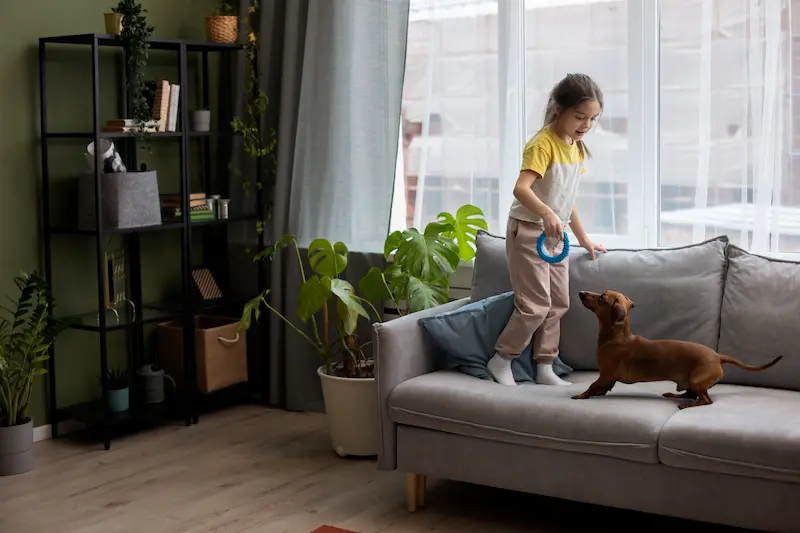
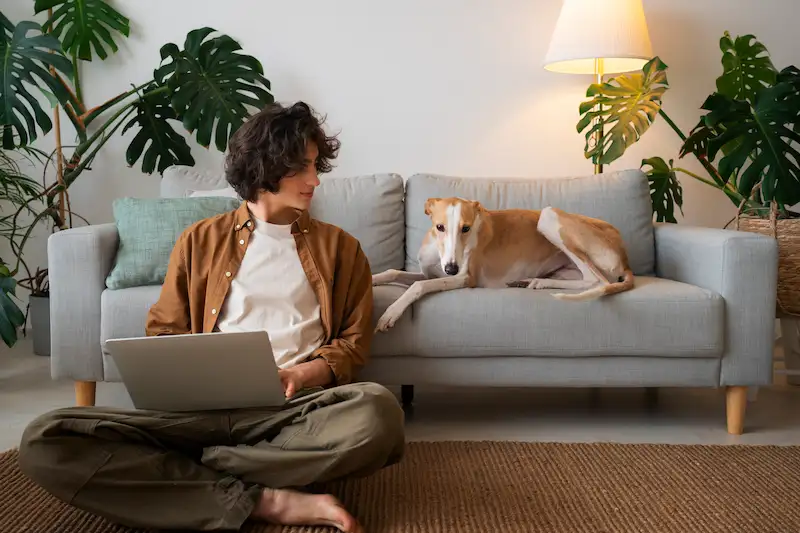
1. Identify Potential Hazards in Your Home
How to Make Your Home Pet-Friendly and Safe begins with one simple truth: your pet thinks your home is their playground… and everything in it is either a toy, a snack, or a mystery to investigate. From dangling wires to tasty-looking (but dangerous) items, your house can be full of hidden risks. That’s why improving pet safety at home starts with spotting and fixing common home hazards for pets—before your pet does their own “inspection.”
Common Indoor Dangers (Wires, Chemicals, Sharp Objects)
Let’s start with the obvious troublemakers. Electrical wires might seem uninteresting to you, but to your pet, they can look like the perfect thing to chew—until curiosity turns into a very unpleasant (and dangerous) surprise. Try to hide them behind furniture or use covers—because one bite can turn curiosity into a trip to the vet.
Cleaning products and chemicals are another big no-no. Pets don’t read warning labels, so it’s your job to keep these safely locked away. And those sharp objects like scissors or knives? Leaving them out is like inviting chaos. A quick cleanup habit can go a long way in improving pet safety at home—and saving your favorite items from becoming “accidental victims.”
Toxic Plants and Foods to Avoid
Your beautiful indoor plants might be secretly plotting against your pet (okay, not really—but still risky). Plants like lilies, aloe vera, and pothos can be toxic, especially if your pet decides to take a curious bite. Choosing pet-safe plants is a smarter option.
Food can be just as tricky. Chocolate, grapes, onions, and even caffeine are dangerous for pets. While your pet may give you those “just one bite” eyes, not everything from your plate is safe for them. Following How to Make Your Home Pet-Friendly and Safe means knowing what to share—and what to keep far, far away.
Hidden Risks (Small Objects, Open Windows)
Now let’s talk about the sneaky dangers. Small items like coins, buttons, or rubber bands may seem harmless, but pets can swallow them in seconds—no chewing required! Keeping your floors clean can prevent these surprise emergencies.
Open windows and balconies are another risk, especially for adventurous cats who believe they have nine lives (but let’s not test that theory). Installing screens or keeping windows secure can prevent serious accidents. These small steps help reduce home hazards for pets and make your space much safer.
By identifying these risks, you’re already on the right path to How to Make Your Home Pet-Friendly and Safe. A little effort now can save you from a lot of stress later—and keep your furry friend happy, healthy, and only slightly mischievous.
2. Pet-Proof Each Room Step-by-Step
Once you understand the risks, the next step in How to Make Your Home Pet-Friendly and Safe is to go room by room—because let’s be honest, your pet doesn’t stay in just one place (unless they’re secretly planning something). Each area of your home has its own set of challenges, and a few smart changes can make a big difference in improving pet safety at home.
Living Room Safety Tips
Your living room is where your pet relaxes, plays, and occasionally zooms around like they’ve had too much coffee. To keep things safe, start by securing loose wires and cables—because they still look like chew toys to your curious companion.
Keep fragile items like glass decor, vases, and small decorations out of reach. One excited jump, and your “beautiful setup” can turn into a cleanup mission. Also, avoid leaving small objects on tables or floors, as they can easily be swallowed. Adding a cozy pet bed or a designated corner can help your pet feel comfortable—and less interested in redecorating your space.
Kitchen Pet-Proofing Guide
The kitchen may smell like heaven to your pet, but it’s full of hidden dangers. To follow How to Make Your Home Pet-Friendly and Safe, always keep food stored properly—especially harmful items like chocolate, onions, and grapes.
Make sure your trash bin has a secure lid, because pets love “treasure hunting” in the garbage. Cleaning supplies should be stored in closed cabinets, and hot surfaces like stoves should never be left unattended. Think of the kitchen as a “no free snacks zone”—no matter how convincing those puppy eyes are.
Bathroom and Bedroom Precautions
Bathrooms and bedrooms might seem harmless, but they also have their risks. In the bathroom, keep medicines, shampoos, and cleaning products out of reach. Even a small amount can be harmful. Always close the toilet lid—yes, it’s a weird thing to mention, but pets don’t always make the best decisions!
In the bedroom, watch out for small items like jewelry, hair ties, or pins. These can easily be swallowed. Also, secure windows and remove anything that could fall if your pet decides to jump or climb. Following these simple steps will help reduce home hazards for pets and create a safer environment.
By pet-proofing each room, you’re taking a practical step toward How to Make Your Home Pet-Friendly and Safe. It doesn’t require a full home makeover—just a little awareness, some smart adjustments, and maybe accepting that your pet is now the unofficial “home inspector.”
3. Create a Comfortable and Safe Space for Your Pet
After removing dangers and pet-proofing your home, the next step in How to Make Your Home Pet-Friendly and Safe is to create a space where your pet can truly relax and feel at home. Just like humans, pets need a cozy, secure place where they can sleep, play, and unwind—without turning your entire house into their personal playground (even though they’ll try). A thoughtful pet-friendly home setup helps your pet feel safe while also keeping things organized for you.
Choosing the Right Sleeping Area
Every pet needs a comfortable spot to rest after a long day of… doing absolutely nothing (or running around for no reason at all). Choose a quiet area away from loud noises and heavy foot traffic. This helps your pet feel calm and secure.
Make sure the bed is soft, clean, and suitable for your pet’s size. Avoid placing it near doors or windows where cold air or noise can disturb their sleep. Creating a dedicated sleeping space is a simple but important part of How to Make Your Home Pet-Friendly and Safe—and it might even stop your pet from stealing your bed (no promises though).
Safe Toys and Play Zones
Pets love to play, and having the right toys can keep them happy and out of trouble. Always choose toys that are safe, durable, and appropriate for your pet’s size. Avoid items that can easily break or be swallowed.
Setting up a small play area can also help. This gives your pet a place to release energy without damaging your furniture. Think of it as their “approved chaos zone,” where they can have fun while you keep control of the rest of your home. A well-planned play space is a key part of a smart pet-friendly home setup.
Temperature and Ventilation Care
Your pet’s comfort also depends on the environment. Make sure your home is not too hot or too cold, especially during extreme weather. Pets can be sensitive to temperature changes, so proper ventilation and airflow are important.
Keep fresh air coming in, but make sure windows are secure to avoid accidents. In hot weather, provide cool areas and plenty of water. In colder months, ensure your pet has a warm and cozy place to rest. These small adjustments help support pet safety at home and keep your pet comfortable all year round.
Creating a safe and comfortable space is a big step toward How to Make Your Home Pet-Friendly and Safe. When your pet feels secure and happy in their own little corner, they’re less likely to explore risky areas—and more likely to stay relaxed (and maybe slightly less naughty).
4. Store Harmful Items Out of Reach
A big part of How to Make Your Home Pet-Friendly and Safe is simple: if your pet can reach it, they will probably sniff it, lick it, or try to eat it. Pets are naturally curious (and sometimes a little too confident), which is why storing harmful items properly is essential for pet safety at home. A few smart storage habits can prevent serious accidents and reduce common home hazards for pets.
Cleaning Products and Chemicals
Cleaning supplies may keep your home fresh, but they can be dangerous for pets. Products like floor cleaners, sprays, bleach, and detergents contain chemicals that can harm your pet if touched or swallowed. And let’s be honest—pets don’t exactly check labels before investigating.
Always store these items in closed cabinets, preferably with child locks if possible. Avoid leaving cleaning buckets or wet floors unattended, as pets might step on them or lick the surface. Keeping chemicals out of reach is a simple but powerful step in How to Make Your Home Pet-Friendly and Safe.
Medicines and Small Objects
Medicines are another hidden danger. Even a small tablet can be harmful to pets if ingested. Never leave pills, syrups, or supplements on tables or within easy reach. Store them in drawers or cabinets that your pet cannot open.
Small objects like coins, batteries, hairpins, or buttons can also cause choking or internal blockages. These items often fall on the floor without notice—and your pet might find them before you do. A quick daily check can greatly improve pet safety at home and keep these risks under control.
Food Storage Safety
Food might seem harmless, but not everything in your kitchen is safe for pets. Items like chocolate, grapes, onions, and certain packaged foods can be toxic. To follow How to Make Your Home Pet-Friendly and Safe, always store food in sealed containers and keep it out of reach.
Trash bins should also have secure lids, because pets love to “explore” leftovers that can upset their stomach or worse. Think of it this way: if it smells interesting, your pet will probably try it—so it’s better to keep it safely stored away.
By storing harmful items properly, you’re taking a major step toward How to Make Your Home Pet-Friendly and Safe. It doesn’t take much effort—just a little awareness, better organization, and accepting that your pet is always on a mission to find something they shouldn’t.
5. Maintain Cleanliness and Regular Safety Checks
Even after pet-proofing your home, the job isn’t completely done (sorry 😄). A key part of How to Make Your Home Pet-Friendly and Safe is maintaining cleanliness and doing regular checks. Pets can turn a perfectly clean space into a mini mess zone within minutes, so staying consistent with pet hygiene and safety helps prevent accidents and keeps your home fresh and healthy.
Daily Cleaning Habits
Good daily habits make a big difference. Simple things like sweeping floors, wiping surfaces, and cleaning your pet’s feeding area can prevent dirt, bacteria, and hidden hazards from building up.
Pet hair, leftover food, or spilled water can attract germs or even cause slips. And let’s be honest—your pet won’t clean up after themselves (no matter how many times you “suggest” it). Keeping things tidy is an easy way to improve pet safety at home while also making your space more comfortable.
Regular Home Inspection
Think of yourself as a “home safety inspector”—but for pets. Take a few minutes every week to check for loose wires, broken items, or anything that might have become unsafe over time.
Pets grow, habits change, and new risks can appear. Maybe something fell behind the sofa, or a cabinet was left slightly open. Regular checks help you catch these small issues before they turn into big problems. This habit is essential in reducing home hazards for pets.
Keeping Floors and Surfaces Safe
Floors and surfaces are where your pet spends most of their time, so keeping them safe is important. Avoid slippery floors that can cause your pet to slip or get injured—especially for energetic pets who love running indoors.
Make sure there are no sharp or broken objects lying around. Clean up spills quickly and avoid using harsh cleaning products that may leave harmful residue. A clean and safe surface supports both pet hygiene and safety and your pet’s overall well-being.
By maintaining cleanliness and doing regular safety checks, you’re completing an important step in How to Make Your Home Pet-Friendly and Safe. A little daily effort keeps your home secure, your pet healthy, and your stress level a lot lower—because fewer accidents mean fewer “what did you do now?” moments.
Bonus Tips for a Pet-Friendly Lifestyle
Creating a safe home is not just about removing dangers—it’s also about building good habits. These extra tips will help you fully achieve How to Make Your Home Pet-Friendly and Safe while making daily life easier (and a little less chaotic).
Training Your Pet for Indoor Safety
Training is one of the smartest ways to improve pet safety at home. Teaching basic commands like “no,” “stay,” or “leave it” can stop your pet from getting into trouble. To create a safer environment for your pet, check out our detailed guide on How to Make Your Home Pet-Friendly and Safe (Step-by-Step Guide).
For example, if your pet learns not to chew random objects or jump on unsafe areas, half your worries are already gone. It takes patience (and maybe a few treats), but a well-trained pet is much safer—and easier to live with.
Using Pet Gates or Barriers
Sometimes, the easiest solution is to simply say, “No entry!” Pet gates or barriers can help you block off areas like kitchens, stairs, or rooms with fragile items.
This is especially useful for young pets who are still learning the rules. Think of it as setting boundaries without constant supervision—because you can’t follow your pet around 24/7 (even if they expect you to).
Emergency Preparedness
Even with the best precautions in place, little mishaps can still happen when you least expect them. That’s why being prepared is an important part of How to Make Your Home Pet-Friendly and Safe.
Keep a basic pet first aid kit at home and save your vet’s contact number on your phone. Knowing what to do in an emergency can save valuable time and protect your pet’s health. It’s always better to be prepared than to panic later.
Conclusion
Creating a safe and comfortable home for your pet doesn’t have to be complicated. By identifying hazards, pet-proofing each room, setting up a cozy space, storing harmful items properly, and maintaining cleanliness, you can greatly improve pet safety at home.
Small changes can make a big difference. Your pet depends on you to create a secure environment where they can play, relax, and stay healthy. Along with creating a safe home environment, don’t forget regular grooming—check out our guide on Helpful Cat Grooming Tips to Keep Your Cat Happy to keep your feline healthy and comfortable.
👉 Start making small changes today and turn your home into a safe, happy place for your furry friend—because a safe pet is a happy pet (and a much less mischievous one too!).