
Keeping your cat clean and comfortable isn’t just about looks—it’s an important part of their overall health and happiness. Many pet owners think cats take care of all their grooming needs on their own (and yes, they do spend a lot of time on it!), but even the most independent feline can use a little help. That’s where these Cat Grooming Tips come in. From brushing and nail trimming to keeping their coat shiny and tangle-free, a simple grooming routine can make a big difference in your cat’s daily life. Daily Pet Care Routine for a Happy and Healthy Pet.
Let’s be honest—grooming a cat isn’t always as peaceful as it sounds. One minute you’re gently brushing their fur, and the next, you’re negotiating with a tiny, fluffy diva who has clearly had enough! But don’t worry, with the right approach and a bit of patience, grooming can become a stress-free experience for both you and your pet. These Cat Grooming Tips are designed to be easy, practical, and actually doable—even if your cat has a bit of an attitude (and let’s face it, most of them do!).
By building a simple grooming routine, you’ll not only keep your cat looking great but also strengthen your bond with them. After all, a happy cat means a happy home—and fewer surprise fur “decorations” on your clothes! If you’re new to pet care, you can also check our guide on How to Take Care of a Cat at Home for Beginners for more simple and practical tips.
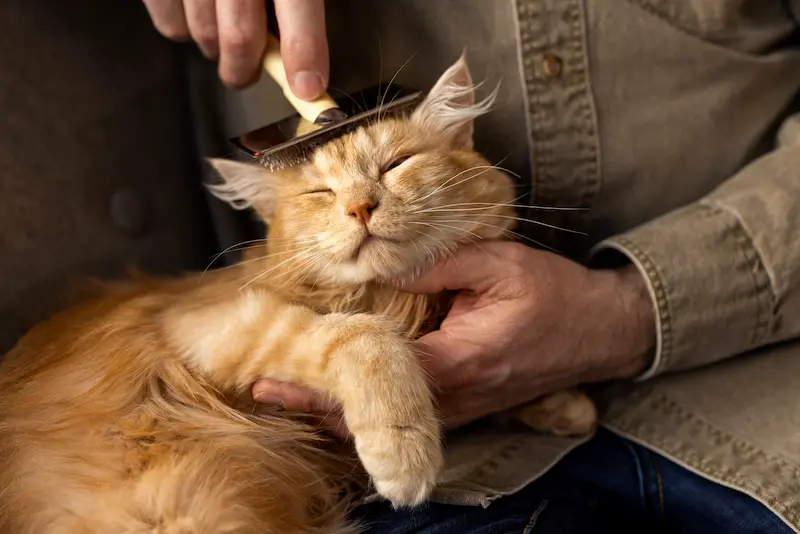

Why Grooming Is Important for Your Cat’s Health
Cats may act like they’ve mastered the art of self-care (and honestly, they do spend half their day grooming), but they still need a little help from you. Following the right Cat Grooming Tips isn’t just about keeping your cat looking adorable—it plays a big role in their overall health and well-being. Think of grooming as a mix of hygiene routine and bonding time… with a tiny, slightly dramatic supervisor involved.
Benefits of Regular Grooming
Routine grooming keeps your cat’s coat fresh, silky, and free from dust and loose hair. It also improves blood circulation and distributes natural oils, giving your cat that soft, shiny coat everyone loves to pet. By sticking to simple Cat Grooming Tips, you can reduce shedding around your home—because let’s be honest, your black clothes deserve a break from fur! How to Take Care of a Cat at Home (Beginner Guide)
Prevents Matting, Infections, and Shedding Issues
If you have a long-haired cat, skipping grooming can quickly turn their fur into a tangled mess. Mats not only look messy but can also pull on the skin and cause pain. Regular brushing helps prevent these knots and reduces the chances of skin infections hiding beneath the fur. Plus, it keeps shedding under control—so your sofa doesn’t slowly transform into your cat’s twin.
Helps Detect Skin Problems Early
One of the most underrated Cat Grooming Tips is using grooming time as a quick health check. While brushing or cleaning your cat, you can spot early signs of issues like redness, bumps, fleas, or dry skin. Catching these problems early can save your cat from discomfort—and save you from unexpected vet visits. It’s basically a mini health inspection, approved by responsible cat parents everywhere.
Strengthens the Bond Between Owner and Cat
Grooming isn’t just good for your cat’s body—it’s great for your relationship too. Spending time grooming helps build trust and makes your cat feel safe with you. Sure, there might be moments of “I refuse to cooperate” energy, but with patience (and maybe a treat or two), grooming can become a calm and positive experience. Follow consistent Cat Grooming Tips, and you’ll not only have a healthier cat but also a stronger bond—and fewer judgmental stares from your furry friend!
Essential Cat Grooming Tips Every Owner Should Know
Grooming your cat doesn’t have to feel like a wrestling match (even if your cat thinks it should). With the right approach, it can become a simple and even enjoyable routine for both of you. These Cat Grooming Tips will help you build good habits, reduce stress, and keep your feline friend looking—and feeling—their best.
Start Grooming at an Early Age
The earlier you introduce grooming, the easier it becomes. Kittens who get used to brushing, nail trimming, and handling from a young age are far less likely to turn into tiny drama queens later. Start slowly, be gentle, and let your cat get comfortable step by step. Think of it as training them for a lifetime of looking fabulous (whether they appreciate it or not).
Use the Right Grooming Tools
Using the proper tools makes a huge difference in how effective—and safe—your grooming routine is. A soft brush or comb suited to your cat’s coat type helps remove loose fur without irritation, while proper nail clippers ensure safe trimming. Following smart Cat Grooming Tips like choosing the right tools can turn grooming from a struggle into a smooth experience (for you at least—your cat may still have opinions).
Keep Grooming Sessions Short and Calm
Cats are not exactly known for their patience, so long grooming sessions can quickly test their limits. Keep each session short, calm, and stress-free. A few minutes at a time is often enough to get the job done without triggering your cat’s “escape plan.” Over time, these small sessions add up and help your cat feel more relaxed during grooming.
Reward Your Cat After Grooming
Let’s be honest—cats love rewards, especially when they feel they’ve “survived” something mildly inconvenient. Offering treats, praise, or extra cuddles after grooming helps create a positive association. This is one of those Cat Grooming Tips that really works: reward good behavior, and your cat may be slightly more cooperative next time (no promises, though—it’s still a cat!).
Brushing, Bathing, and Nail Care Basics
When it comes to keeping your cat clean and comfortable, a little routine care goes a long way. You don’t need a full spa setup—just the right habits and a bit of patience. These Cat Grooming Tips will help you handle brushing, bathing, and nail care without turning it into a full-blown cat drama episode.
How Often Should You Brush Your Cat?
Brushing depends on your cat’s coat type. Short-haired cats usually need brushing once or twice a week to remove loose fur and keep their coat smooth. Long-haired cats, on the other hand, need more frequent brushing—ideally daily—to prevent tangles and mats. Regular brushing not only keeps your cat looking neat but also reduces shedding (and the amount of fur decorating your home).
Do Cats Need Baths? When and How
Good news: most cats don’t need frequent baths because they’re already excellent self-groomers. However, occasional baths may be necessary if your cat gets into something messy or has a skin condition. Bathe your cat with mildly warm water and a gentle shampoo designed for feline use. Keep the process quick and gentle—because let’s face it, bath time is not usually on your cat’s list of favorite activities!
Safe Nail Trimming Tips
Trimming your cat’s nails is essential to prevent overgrowth and accidental scratches (for both you and your furniture). Use proper cat nail clippers and trim only the sharp tips—avoid the pink area (called the quick), which can cause bleeding. Following careful Cat Grooming Tips like trimming slowly and calmly can make this task much easier and less stressful.
Cleaning Ears and Eyes Properly
Don’t forget the small details! Gently check your cat’s ears for dirt or wax buildup and clean them using a vet-approved solution if needed. For the eyes, use a soft, damp cloth to wipe away any discharge. Regular cleaning helps prevent infections and keeps your cat feeling fresh. Plus, it’s another chance to make sure everything looks healthy—your cat may not thank you, but their comfort definitely will!
Cat Grooming Tips for a Clean and Healthy Coat
A clean, soft, and shiny coat isn’t just about making your cat look adorable (though that’s definitely a bonus). It’s also a sign of good health and proper care. With the right Cat Grooming Tips, you can keep your cat’s fur in great condition while reducing common issues like shedding and hairballs. And yes, it might also save your favorite outfit from becoming permanently “fur-coated.”
Choosing the Right Brush for Your Cat’s Fur
Not all brushes are created equal—especially when it comes to cats. Short-haired cats usually do well with soft-bristle brushes or rubber grooming tools, while long-haired cats need wider-toothed combs or de-shedding brushes to tackle tangles. Using the right tool makes grooming more effective and much more comfortable for your cat (which means fewer dramatic reactions).
Managing Shedding Effectively
Shedding is completely normal, but that doesn’t mean you have to accept fur on literally everything you own. Regular brushing is one of the best Cat Grooming Tips to control loose hair before it spreads around your home. A consistent routine helps remove dead fur, reduces shedding, and keeps your cat’s coat looking neat and tidy.
Preventing Hairballs
Hairballs are an unpleasant but common issue, especially for cats that groom themselves frequently. When cats swallow loose fur, it can build up in their stomach and form hairballs. Regular brushing helps remove excess fur before your cat can ingest it. You can also support prevention by ensuring your cat stays hydrated and has a balanced diet—because nobody enjoys surprise hairball moments!
Maintaining Coat Shine and Softness
A shiny, soft coat is often a reflection of your cat’s overall health. Good nutrition, proper hydration, and regular grooming all play a role in keeping the fur smooth and glossy. Following simple Cat Grooming Tips like consistent brushing and using gentle grooming techniques can make your cat’s coat look its best—and feel even better when you sneak in those well-deserved cuddles.
Common Grooming Mistakes to Avoid
Even with the best intentions, it’s easy to make small grooming mistakes that can leave your cat stressed—or secretly plotting revenge. The good news? Most of these are easy to fix once you know what to watch out for. By following the right Cat Grooming Tips, you can avoid common errors and make grooming a smoother experience for both you and your feline friend.
Over-Bathing Your Cat
Cats are natural self-groomers, so frequent baths are usually unnecessary. Over-bathing can strip away the natural oils in your cat’s coat, leaving their skin dry and irritated. Unless your cat gets into something messy or has a medical need, occasional baths are more than enough. Remember, just because your cat can be bathed doesn’t mean they’ll enjoy it!
Using Human Products on Cats
This is a big no-no. Human shampoos and grooming products are not designed for a cat’s sensitive skin and can cause irritation or allergic reactions. Always choose products specifically made for cats. Following safe Cat Grooming Tips like this helps protect your pet’s skin and keeps their coat healthy.
Ignoring Signs of Discomfort
Cats may not speak, but they definitely communicate—especially when they’re unhappy. If your cat starts hissing, swatting, or trying to escape, it’s a clear sign they’ve had enough. Ignoring these signals can make grooming stressful and damage your trust. Pay attention to their behavior and give them breaks when needed.
Forcing Grooming Sessions
Trying to force your cat to sit through a long grooming session rarely ends well (for either of you). Cats prefer short, calm interactions, so it’s better to groom in small sessions rather than all at once. Consistent, gentle handling is one of the most effective Cat Grooming Tips—and it helps keep both your hands and your cat safe from unnecessary drama!
Conclusion
Taking care of your cat’s grooming needs is not just about keeping them looking cute—it’s an important part of their health, comfort, and overall happiness. As we’ve seen through these Cat Grooming Tips, regular brushing, proper hygiene, and gentle care can prevent common issues like shedding problems, matting, and skin irritation. A little effort goes a long way in keeping your furry friend healthy and stress-free.
The key is consistency. You don’t need complicated routines or expensive tools—just a simple, regular grooming schedule that fits your cat’s needs. Whether it’s a quick brushing session or a nail trim, small habits build up over time and make a big difference in your cat’s well-being.
At the end of the day, grooming is also about love and connection. Even if your cat acts like they’re “too busy for this,” they still benefit from your care and attention. Stick with these Cat Grooming Tips, stay patient, and enjoy the process—because a happy, well-groomed cat means a happier home (and fewer fur surprises on your clothes!).